|
Research Highlights 2009
Allergy and Immunology
Food allergy research at ACHRI encompasses the breadth of food allergy research—from translational research to elucidate the fundamental aspects of the disease to clinical trials to test new treatment strategies. For over 20 years, researchers in the Food Allergy Research Program at ACHRI have been building on their research initiatives and their collaborations with food allergy researchers. Today, these researchers are at the forefront of developing new treatments for food allergies.
Allergy to peanuts or tree nuts affects about 1% to 2% of the US population. As the most common cause of life threatening allergic reactions, peanut and tree nut allergies account for 80% of fatal or near fatal reactions each year. At present, there is no cure or active therapies available, and inadvertent exposure to these foods is great. However, an experimental oral immunotherapy being tested by the Food Allergy Research Program has shown success in protecting children from severe allergic reactions to peanuts. This recent achievement has been discussed in the news media worldwide and shows promise for continued success and application for other food allergies.
Dr. Amy Scurlock’s work in chlamydia research and mucosal immunity encompasses basic and translational science research. Dr. Scurlock has been awarded a 5-year K08 grant from NIH/NIAID for her work beginning in December 2008. Her work is also supported by the Arkansas Biosciences Institute (ABI) and the Marion B. Lyon New Scientist Development Award.
Dr. Tamara Perry’s research, Asthma in the Delta Region of Arkansas (ADRA), focuses on community-based research in pediatric asthma in the rural Delta region of Arkansas. Dr. Perry is the recipient of the Robert Wood Johnson Foundation Faculty Scholars Award and is a finalist for the Robert Wood Johnson Foundation Harold Amos Faculty Development Program. Her work is also funded through the ABI and the Marion B. Lyon New Scientist Development Award.
Dr. Stacie Jones and Dr. Richard Kurten conduct research focused on lung health and disease in the Lung Cell Biology Laboratory. This work is funded through the ABI and Astra Zeneca.
The Food Allergy Research Program, lead by Dr. Stacie Jones, is part of the NIH-funded Consortium of Food Allergy Research (CoFAR). The Food Allergy Research Program also conducts clinical trials for the development of novel forms of immunotherapy and treatments for food allergy. Particular success has been noted in the development of oral immunotherapy for peanut allergy in collaboration with investigators at Duke University. These research studies have garnered national media and scientific interests in the past year due to exciting advances in therapies for food allergic children that provide hope for better disease outcomes for food allergic patients. Funding for these projects is through the NIH/NIAID, the National Peanut Board, and the Doris and Frank Robins Family.
Based on her research successes and leadership within her field, Dr. Perry has also been selected to serve on the Robert Wood Johnson Foundation Physician Faculty Scholars Program Committee to Enhance Diversity in the Program for 2009. Dr. Jones has served as an ad hoc member of an NIH study section during 2008-2009 and also serves on the NIAID Expert Panel for the development of Food Allergy Diagnosis and Management Guidelines (2008-2010).
Autism
The autism program at ACHRI has an active basic research laboratory as well several on-going clinical translational activities. The overall goal of the research program is to better understand the basic biology and metabolic pathology of autism in order to provide insights into better treatment options for children affected by an autism spectrum disorder.
Dr. S. Jill James PhD is funded by NIH and the Department of Defense to study abnormal folate-dependent one carbon metabolism as it relates to impaired methylation capacity and increased vulnerability to oxidative stress in autistic children. Her Autism Metabolic Genomics Laboratory, directed by Dr. Stepan Melnyk, uses state-of-the-art HPLC and tandem mass spectrometry to measure relevant metabolites in plasma, lymphocytes, lymphoblastoid cell lines, and most recently frozen brain tissues. In recent a case-control study published in the American Journal of Medical Genetics, the autism research team reported for the first time that the metabolic profile of children diagnosed with an autism spectrum disorder was severely abnormal relative to that of unaffected control children. These new findings are of clinical concern because they indicate a significant decrease in cellular methylation capacity and in antioxidant/detoxification capacity, and an increase in oxidative stress. Associated with the abnormal metabolic phenotype, preliminary evidence suggests that many autistic children exhibit an increased frequency of several genetic polymorphisms that negatively affect the flux through these metabolic pathways. In lymphoblastoid cells derived from autistic children, the group found that cytosolic and mitochondrial glutathione redox capacity reflects the same pattern of oxidative stress observed in the children’s plasma and these results were published are in press at the FASEB Journal. In a recent publication in the Journal of Autism and Developmental Disabilities, the group reported that the mothers of children with autism have a similar impairment in methylation capacity and glutathione redox capacity that is associated with global DNA hypomethylation.
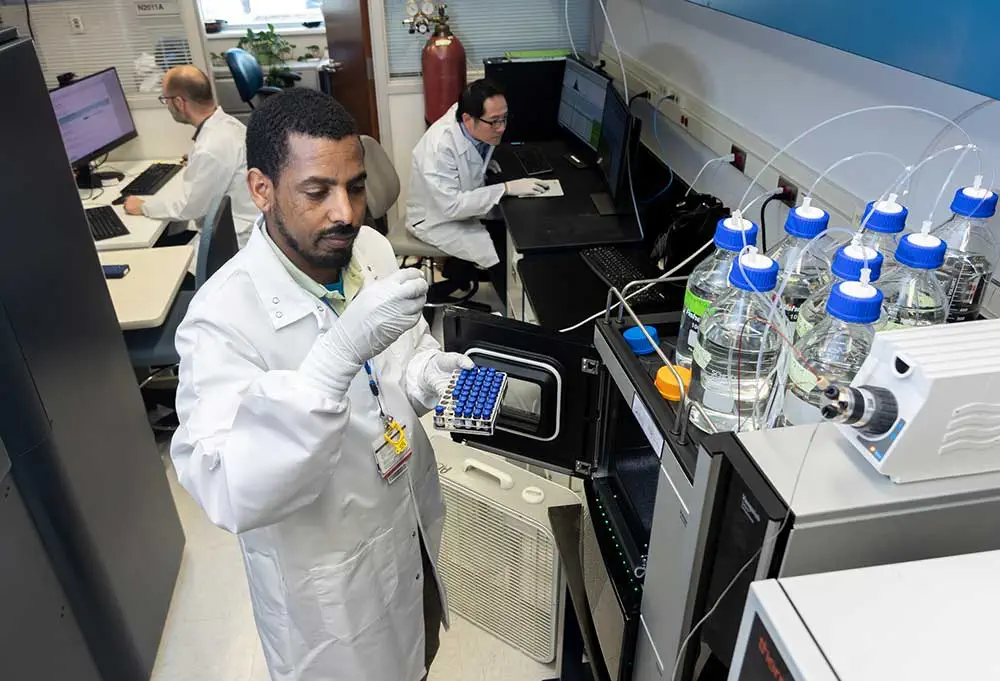
Dr. Stepan Melnyk of the Autism Metabolic Genomics Laboratory offers an Oxidative Stress Core Laboratory equipped with state-of-the-art analytical instruments including HPLC-based electrochemical detectors, HPLC UV/visual detectors, LC-MS, and universal detector corona. The equipment can assist with the detection of proteins, lipids, carbohydrates, or small molecules associated with oxidative stress, providing excellent sensitivity, wide dynamic range, superior reproducibility, and a more consistent response. Dr. Melnyk is looking for opportunities to consolidate research institutionally, between institutions, or nationally known research centers. The equipment in this laboratory as well as the expertise of its staff provides advantages for beginning and established researchers to strengthen their grant applications.
Dr. James has initiated several clinical translation trials to evaluate the efficacy of targeted nutritional intervention designed to improve the abnormal metabolic profile in the children. She and her group recently published the results of an open-label trial of methyl B12 and folinic acid in children with autism in the American Journal of Clinical Nutrition. The results indicated that a 3-month intervention with the supplements significantly improved, but did not normalize, the metabolic profile in most of the children. Similarly, scores on the Vineland Adaptive Behavior Scales also improved but did not reach control levels. Dr. James has collaborated with Dr. Robert Hendren at the MIND Institute in California in a double-blind placebo-controlled study of methyl B12 therapy and found significant improvement in behavior only among children who exhibited improved plasma glutathione redox status and this paper will be published in the Journal of Alternative Medicine. Dr. James also collaborates with physicians at Kosair Children’s Hospital and the University of Kentucky in a double-blind study to determine the efficacy of IV glutathione in autistic children. At ACHRI, she has initiated a double-blind placebo-controlled evaluation of broad spectrum vitamin and mineral supplementation to test the efficacy of a nutritional supplement regimen currently in use by thousands of autism parents but which has never been scientifically validated.
The role of the environment in the predisposition to autism is another important focus of autism research. To determine the impact of early life trichloroethelene (TCE) exposure on the developing immune system, Dr. Sarah Blossom, in collaboration with Dr. James’ laboratory, exposed mice throughout development (pregnancy and early life) to low levels of TCE. The TCE-exposed offspring exhibited significant T cell inflammation. Remarkably, the young mice also showed abnormal social behavior and increased biomarkers of oxidative stress (decreased glutathione) in the brain. These results could potentially pave the way for a novel mouse model of neuroinflammation with implications for a variety of neuroinflammatory diseases including autism. These findings were recently published in Toxicology and Applied Pharmacology.
In her clinical research, Dr. James is collaborating with Dr. Eldon Schulz and Dr. Jill Fussell, in a grant from Autism Speaks to participate in the Autism Treatment Network (ATN) as one of 15 national sites that comprise a national consortium of autism clinicians dedicated to improving the diagnosis and medical health of children with autism. The premise of the ATN is that many children with autism have multiple co-morbid medical conditions that if diagnosed and treated could significantly improve their quality of life and learning potential.
Biostatistics
The mission of the Biostatistics Program, within the UAMS Department of Pediatrics, is to provide biostatistical and database support to clinical and biomedical researchers, while advancing the reputation and research capacity of ACH. Ultimately, their work helps provide meaningful conclusions based on data collected from valid research designs and appropriate analyses. ACHRI’s joint support of Biostatistics allows ACHRI’s investigators to receive increased collaboration with biostatisticians. In Fiscal Year 2009, the Biostatistics Program provided statistical and database support for 20 sections within the Department of Pediatrics, as well as the Arkansas Children’s Nutrition Center and the Division of Pediatric Anesthesia within the UAMS Department of Anesthesia.
Dr. Todd Nick became the new Director of the Biostatistics Program in March 2009, relocating from Cincinnati Children’s Hospital Medical Center. Since his arrival, the Biostatistics Program has been actively recruiting additional faculty members as well as database analysts and biostatisticians. As a result of its current and future growth, the program’s offices recently moved to the Research Institute Building.
Birth Defects Research
A notable achievement for researchers in the Arkansas Center for Birth Defects Research and Prevention was the award from the National Institutes of Health for a $14.4 million contract to take part in the largest investigation into children’s health—The National Children’s Study. The study will follow a national representative sample of 100,000 children from before birth to 21 years examining factors that influence development of conditions such as autism, cerebral palsy, learning disabilities, birth defects, diabetes, asthma, and obesity.
ACHRI’s role in the study involves collecting genetic, biological, and environmental samples from Benton County, the only Arkansas location chosen for the study, and then compiling information for study analyses. Collected data will be used to investigate how genetic and environmental factors influence health and disease. Throughout its 25-year span, the study will provide a variety of important health information.
Dr. Charlotte Hobbs is the Study Principal Investigator and Dr. Jim Robbins is the Local Principal Investigator for the Arkansas Center of the National Children’s Study. This project has been funded in whole with federal funds from the Eunice Kennedy Shriver National Institute of Child Health and Human Development, National Institutes of Health, Department of Health and Human Services, under Contract No. HHSN275200800026C.
The Arkansas Center for Birth Defects Research and Prevention was one of five sites to be awarded a competitive renewal for an additional five years of funding for the National Birth Defects Prevention Study (NBDPS) and remains a top contributor among the participating study sites. The Arkansas Center has participated in the NBDPS since 1997 and collects maternal exposure information and DNA samples from over 300 case and 100 control families each year.
A notable achievement was the award of a $14.5 million contract from the NIH to establish the Arkansas Center for the National Children’s Study (NCS), which will be conducted in Benton County. The purpose of the NCS is to examine the effects of environmental factors on the health and development of children from before birth to age 21. Benton County has been selected as one of 105 study locations and the only study location in the state of Arkansas. Dr. Charlotte Hobbs will serve as the Study Center Principal Investigator , while Dr. James Robbins will serve as the Study Location Principal Investigator.
In order to further enhance the research into the causes of birth defects, the Arkansas Center received funding from the Arkansas Biosciences Institute to investigate epigenetic causes of congenital heart defects. DNA methylation is a key epigenomic phenomenon that may be altered during early pregnancy and embryonic development.
A study of NBDPS participants published in the American Journal of Epidemiology, led by Bridget Mosley, found that folic acid fortification efforts may have reached an optimal level for preventing neural tube defects within the general population. However, women are still encouraged to continue taking a daily folic acid supplement.
The Arkansas Center has continued to collect samples and to analyze data for the NBDPS, the DNA Bank for Congenital Malformations study for “cutting-edge” research in human genomics, and the Metabolic Determinants of Congenital Heart Defect Risk study. Additional studies have examined the effects of immune dysfunction and tobacco exposure on the development of congenital heart defects.
Dr. Stephen Erickson joined the Arkansas Center in 2009. Dr. Erickson’s experience and training in statistical genetics, especially in copy number variation, provides the team with the ability to expand genomic research efforts to whole genome association studies.
In an effort to promote graduate and medical education, the Arkansas Center faculty mentor junior faculty, fellows, residents, medical students and graduate students in Clinical Translational Science and Bioinformatics.
Birth defects researchers published findings in well-respected journals, such as the American Journal of Epidemiology, Pediatrics, Human Reproduction, and the American Journal of Obstetrics and Gynecology.
Cardiology
Dr. Sadia Malik has continued work on her K08 award entitled “Maternal Smoking: DNA Repair Polymorphisms and the Risk of Septal Heart Defects”. In addition Dr. Volkan Tuzcu is co-investigator for the R01 grant “Physiological Disturbances Associated with Neonatal Intraventricular Hemorrhage” awarded to neonatologist Dr. Jeff Kaiser. Dr.Adnan Bhutta was awarded an FDA contract for the study “Assessment of the Pharmacokinetics, Pharmacodynamics, and Neurotoxic Effects of an Anesthetic in Infants Undergoing Various Surgical Procedures” in response to the FDA RFP Safety of Key Inhaled and Intravenous Drugs in Pediatrics (SAFEKIDS) Initiative.
Chlamydial Infections
Chlamydia is the leading bacterial sexually transmitted infection (STI) among adolescents nationwide, and of adolescents tested at ACH’s Adolescent Center, the infection rate of 25% is higher than the national rate reported by the CDC and the statewide rate. It is a major cause of pelvic inflammatory disease and involuntary infertility in women. These facts are significant to the Chlamydia Research Group at ACHRI.
This research group continues the study of chlamydial infections begun in 1974 at UAMS by Dr. Almen Barron. Since then, its researchers have had continual NIH research funding and publications for 35 years as well as international recognition for their expertise on the immunology and pathogenesis of chlamydial genital infections. The group’s ultimate goals are Chlamydia vaccine development and early diagnosis and prevention of pelvic inflammatory disease and infertility.
Among the Chlamydia Research Group’s recent funding awards, they are collaborators in a prestigious NIH cooperative research program center grant (U19) on STIs overseen by colleagues at the University of Maryland. The funded center incorporates three long-term research projects on the eco-pathogenomics of chlamydial genital infections. Understanding the “ecology” of chlamydia and other normal bacteria in the genital tract will allow the collaborating researchers to characterize factors influencing the changes and mutations in Chlamydia, including the possible development of antibiotic resistance. This award is a prestigious honor in that only 6 centers are funded nationwide.
Dr. Roger Rank was elected president of Chlamydia Basic Research Society, an international organization dedicated to chlamydial research. He hosted the Biennial Meeting of the Society in Little Rock in March.
In collaboration with Dr. David Wilson from the University of New South Wales, Australia, the Chlamydia Research Group has developed a mathematical model to predict the degree of pathology associated with chlamydial ocular infection. The results of this collaboration provides a novel research area using mathematics to model biologic phenomena. This model was published in the Journal of Infectious Diseases.
Dr. Rank received an NIH Exploratory/Developmental Research Grant Award (R21) to study the role of the neuroinflammatory pathway in chlamydial genital infections. The funding for the two-year grant is $404,000.
Chronically ill and special needs children
In July 2008, Dennis Kuo, MD, MHS, a general academic pediatrician who completed a research fellowship at Johns Hopkins Hospital in Baltimore, joined the Center for Applied Research and Evaluation (CARE). In addition to his clinical commitment, he studies family-centered care and parent-physician communication, especially in the context of special medical needs. He was awarded the ACHRI Lyon Award to fund a study, “Toward a Family-Centered, Community Based System of Care for Children with Special Health Care Needs in Arkansas,” and his abstract titled “Child health, family needs, and health care resource outcomes of family-centered care for children with special health care need” won the 2009 Southern Society of Pediatric Research Young Faculty Award.
Clinical Trials
ACHRI researchers have been involved in pediatric clinical trials for over 25 years. In the past year, over 30 ACHRI researchers have conducted work in over 70 clinical trials at ACH. These clinical studies assure medicines, vaccines, and treatments for children are safe and effective. The majority of these studies were industry sponsored, while federal agency (FDA and NIH) and other grant awards supported the remaining trials. Researchers conduct clinical trials throughout the ACH campus at various patient clinics and hospital units.
Many researchers also conduct their clinical trials at the Pediatric Clinical Research Unit (PCRU) at ACH. Providing clinical research space in an outpatient setting for investigators, the PCRU enhances, facilitates, and promotes the growth of high quality clinical pediatric research at ACH. On average, 3 patients daily participate in clinical trial research at the PCRU.
In July 2008, ACHRI welcomed Dr. José Romero as Medical Director of Clinical Research. He previously served as the Section Chief of Pediatric Infectious Diseases at the University of Nebraska Medical Center. In addition to increasing the number of clinical trials carried out at ACH, Dr. Romero has proposed creation of a biorepository of clinical specimens for use in the testing and validation of new and innovative tools for the diagnosis of diseases.
Complex Brain Function Lab
The Center for Applied Research and Evaluation (CARE) has an active affiliation with the FDA with a full-time staff fellow and project coordinator on site at ACH. Several FDA-funded studies are being conducted at ACH as part of this collaboration. These studies examine the utility of the application of animal models for assessing the impact of psychological and physiological disorders on children's behavior. These studies are “The Effects of Anxiety on Complex Brain Function in Children,” “The Effects of Depression on Complex Brain Function in Children,” and “Assessment of Specific Cognitive Domains in Girls with a History of Sexual Abuse.
Critical Care Medicine
ACHRI critical care researchers continue work as one of six PICU nationally that are part of the Collaborative Pediatric Critical Care Research network, funded by the National Institutes of Health.
Dr. Ron Sanders, a former fellow in our training program, joined the faculty after nine years of academic practice in North Carolina and Florida. Dr. Sanders is the site Principal Investigator and Dr. Parthak Prodhan serves as the Alternate Principal Investigator for the NIH-funded Critical Illness Stress-induced Immune Suppression (CRISIS) Prevention Study. Together with their network colleagues throughout the US, they are testing the combination of an intervention drug (given through an IV) and a dietary supplement (provided through a gastric tube).
The study is determining that if together these two approaches help to boost the immune system and either delay the onset of nosocomial infections or decrease them altogether.
Developmental-Behavioral and Rehabilitative Pediatrics
The Maternal Child Health Bureau has funded the LEDPB (Leadership Education in Developmental-Behavioral Pediatrics, $140,000/yr for 5 years) and the LEND (Leadership Education in Neurodevelopmental Disabilities, $550,000/yr for 3 years).
Emergency Medicine
Emergency medicine research activities of Dr. James Graham and his colleagues for the last year include the following highlights.
Emergency department crowding: The research group found that emergency department crowding was associated with a variety of poor outcomes for patients. Neonates who present to the emergency department with fever are considered to have an emergency condition because many of them will have a serious infection. Their research found that when these patients presented during times of crowding, the time to get antibiotics was significantly longer. Another project found that in children with forearm fractures, the time to get pain medication was significantly longer when the ER is crowded. One project found that blood cultures are more often contaminated when the ER is crowded. The group also completed a time analysis study examining the busiest day in the ER for the past year and are looking at strategies to increase patient flow.
Pediatric patients in disaster: The research group published a study of a survey of Arkansas hospitals which found substantial deficiencies in preparedness for the emergency care of children in mass casualty or disaster situations.
Triage assessment of children: Virtually all emergency departments perform some form of triage assessment of patients when they initially come to the ER. This assessment is intended to identify seriously ill or injured patients and ensure they get treatment rapidly. Very little is known about the content of triage assessment for children in US hospitals. This research group published a survey of US children's hospitals to document the triage assessment. The study found large variation in practices.
All terrain vehicles and children: The emergency medicine group, in concert with the Center for Applied Research and Evaluation (CARE) and the Injury Prevention Center of ACH continues its work in ATV injury in children. The group published an article documenting the serious nature of foot injuries in children resulting from ATV crashes. The group published a study showing that wearing a helmet at the time of an ATV crash substantially reduced the chance of serious head injury, documenting that promoting helmet use may be a good injury prevention strategy. The group continues its community-based ATV injury prevention work with a variety of projects, including a federally funded study of the effectiveness of various injury prevention methods for ATV injury in children.
Endocrinology
ACHRI’s Endocrinology and Diabetes Research Group is active in clinical, translational, and basic research. General areas of research focus include clinical trials in growth hormone and insulin-like growth factor therapy. The group’s basic science initiatives focus on insulin-like growth factors and how they affect bone formation and bone physiology. Other ongoing studies include exploration of therapies that interrupt Type 1 diabetes as well as investigations that will lead to a better understanding of mechanisms of underlying diabetic nephropathy, diabetic osteopathy, and inflammation in diabetic complications and in osteoporosis.
New studies are examining how mediators of inflammation may impair the actions of growth promoting factors in bone, and how, in particular, the cytokine TNF-alpha may cause deleterious effects on the skeleton, as well as mediate the negative effects of alcohol on bone. Ongoing studies are also focusing on how mediators of inflammation may impact macrophages and fat cells, and vice versa.
As a participating center in TrialNet, the Division offers families the opportunity to be involved in screening first degree relatives for Type I diabetes risk as well as screening family members for genetic markers linked to diabetes. Studies carried out at ACH in new onset Type 1 diabetics are aimed at understanding if intensive insulin therapy, provided by an insulin pump, can help protect pancreatic beta cells from long-term damage and thereby help in the preservation of endogenous insulin production. Ongoing studies are examining biomarkers that may identify individuals with Type 1 diabetes who may go on to develop kidney disease, and additional intramural funding has been acquired to study similar markers in animal models of Type 1 diabetes. Recent studies employing proteomic approaches have now identified new and novel markers for early signs of kidney damage in Type 1 diabetes. Finally, several members of the section have now collaborated and are intensively investigating how diabetes impacts the skeleton and how diabetic bone disease evolves.
One major finding reported by the group in 2009 is that protein loss in the urine of diabetics may be related to loss of important endocytic receptors that would normally take up filtered proteins from the urine. This newly defined mechanism may display early signs of renal damage in diabetics.
Gastroenterology
Eosinophilic esophagitis, or EE, is a newly recognized eosinophilic disorder first identified by pediatric gastroenterologists. With EE, an abnormal number of eosinophils are present in the esophagus, the tube that connects the mouth to the stomach. Dr. George Fuchs is conducting clinical trials to study the safety and efficacy of a medication in the treatment of EE.
Health Services Research
National Survey of General Surgeons: To understand physician-level factors associated with practice management decisions and the adoption of clinical practice guidelines, Dr. Stephen Bowman and staff surveyed a random sample of general surgeons in the United States to assess knowledge, attitudes and beliefs towards pediatric splenic injury management, including the role of clinical practice guidelines. General surgeons reported varying degrees of familiarity with and use of clinical practice guidelines for pediatric splenic injury management. Limited pediatric experience and lack of pediatric hospital resources may limit more widespread adoption of non-operative management. Targeted educational interventions may help to increase surgeon knowledge of guidelines and best practices.
Traumatic Brain Injury Trends Study: Using data from the Healthcare Cost and Utilization Project (AHRQ), Dr. Bowman’s team analyzed trends in pediatric traumatic brain injury hospitalizations. From 1991 to 2005, the estimated annual incidence rate of pediatric hospitalizations associated with TBI declined 39% from 119.4 to 72.7 per 100,000. The rates declined for all age groups and for both males and females, although the rate for males remained consistently higher at each point in time. Fatal hospitalization rates declined from 3.5 deaths per 100,000 in 1991-1993 to 2.8 in 2003-2005. The rate of mild TBI hospitalizations accounts for most of the overall decline, while nonfatal hospitalization rates for moderate and severe TBI remained relatively unchanged. Although pediatric hospitalization rates for mild TBI have decreased over the past 15 years, rates for moderate to severe TBI are relatively unchanged. The study provides national estimates of pediatric TBI hospitalizations that can be used as benchmarks to further injury prevention effectiveness through targeting of effective strategies. Results were published in two articles in Pediatrics.
Pediatric Burn Trends Study: Using data from the Healthcare Cost and Utilization Project (AHRQ), Dr. Bowman and staff analyzed trends in pediatric burn hospitalizations. From 1992 to 2006, the estimated annual incidence rate of pediatric hospitalizations associated with burns declined 40% from 27.0 to 16.1 per 100,000. The rates declined for all age groups and for both males and females. Males were consistently more likely to be hospitalized than females (20.3 vs. 11.7 hospitalizations per 100,000 during 2004-2006). For children less than 5 years of age, burn hospitalizations decreased 44.7% from 63.5 per 100,000 in 1992-1994 to 35.1 per 100,000 in 2004-2006. Fatal hospitalization rates also declined from 0.3 deaths per 100,000 in 1992-1994 to 0.1 in 2004-2006. Pediatric hospitalization rates for burns have decreased over the past 15 years. Our study also provides national estimates of pediatric burn hospitalizations that can be used as benchmarks to further injury prevention effectiveness through targeting of effective strategies.
Pediatric Drowning Trends Study: Using data from the Healthcare Cost and Utilization Project (AHRQ), Dr. Bowman’s team analyzed trends in pediatric drowning hospitalizations. From 1993 to 2006, the estimated annual incidence rate of pediatric hospitalizations associated with drowning declined 44% from 4.8 to 2.7 per 100,000. The rates declined for all age groups and for both males and females. The hospitalization rate for males remained consistently greater than for females at each point in time. Fatal hospitalization rates declined from 0.5 deaths per 100,000 in 1993-1994 to 0.3 in 2004-2006. No difference was observed in the mean hospital length of stay over time. Pediatric hospitalization rates for drowning have decreased over the past 14 years.
ATV Helmet Study: Using data from the National Trauma Data Bank, Dr. Bowman compared injuries to helmeted vs. unhelmeted riders of all-terrain vehicles. After multivariable adjustment, compared to helmeted riders, we observed that unhelmeted riders were more likely to sustain any traumatic brain injury and major/severe TBI. Unhelmeted riders were more likely to die while in the hospital than were helmeted riders. Significant injuries to the neck and face regions were also more likely among unhelmeted riders. ATV riders who do not wear helmets are more likely to receive significant injuries to the head, face, and neck. Prevention strategies and enforceable policy interventions to increase helmet use among ATV riders appear warranted. Dr. Bowman and his colleagues published their findings in Injury Prevention.
Epilepsy Injury Outcomes Study: Dr. Bowman received one of two targeted outcomes grants from the Epilepsy Foundation of America to study injury outcome disparities in people with epilepsy and seizure disorders. Controlling for patient and injury characteristics, people with epilepsy were more likely to die in-hospital than people without epilepsy. People with epilepsy were significantly more likely to have a traumatic brain injury diagnosis than similar individuals without epilepsy. By mechanism of injury, significantly increased risk of death was observed for injuries from cuts/pierces, falls, motorcycles, other transport, struck by/against, and suffocation. People with epilepsy/seizures with firearm injuries were less likely to die in-hospital. Disparities in hospital outcomes for people with epilepsy deserve further attention.
Dr. Bowman and staff published a trauma report: "Trauma in Arkansas: An Assessment of Resources Capabilities and Quality of Care." The overall goal of this report was to advance trauma care in Arkansas. To accomplish this, the group assessed Arkansas’ capacity to provide trauma care to children and adults, identified needs and gaps in service, and provide the basis for development of a statewide or regional trauma care system(s) in the state. The goal of a trauma system is to assure that the “right patient” reaches the “right resources” in the “right amount of time.” Formal trauma systems address the continuum of care, including injury prevention, emergency medical services (EMS) care, hospital resuscitation, stabilization and transfer, hospital definitive care, and rehabilitation services. This report served as an invaluable resource in support of the trauma system legislation that was recently passed.
Craniofacial Malformations: Supported by funds from the CDC and National Foundation for Facial Reconstruction, these series of studies lead by Dr. Jim Robbins have addressed the health care use, quality of health care and health-related quality of life of children with orofacial clefts, craniosynostosis, and microtia.
ACH Medical Home Clinic: Dr. Robbins has directed the evaluation of the ACH Medical Home Clinic. This innovative clinic run by Dr. Pat Casey and Dr. Robert Lyle, manage the care of medically fragile children. Assessment of the clinic has demonstrated substantial reductions in hospitalizations, emergency department visits and patient charges for these children.
Medically Complex Children: This study using the national Healthcare Cost and Utilization Project database has shown that the number of children with medically complex conditions admitted to hospitals has increased dramatically over the past 15 years. Directed by Dr. Katie Burns, this study confirms increased medically complexity of hospitalized children in recent years.
Hair Testing of Children Exposed to Methamphetamine: This study, directed by Dr. Karen Farst, demonstrates the feasibility of hair drug testing to confirm exposure to manufacture of methamphetamine. Children less than 3 years of age were more likely to test positive for methamphetamine in their hair than older children.
Risk Factors for Gastroschisis and Omphalocele: This report based on the National Birth Defects Prevention Study and led by Mr. Mac Bird confirmed completely distinct demographic and environmental risk factors for these two similar abdominal wall birth defects.
National Children’s Study: ACHRI received funding from NIH to serve as the Study Center for the Benton County site of this long term study. Dr. Robbins along with Co-Principal Investigator Dr. Charlotte Hobbs, will direct enrollment of 1,000 infants from the county in the largest study of infant and child health ever conducted in the US. Children from 105 sites in the US will be study from birth to 21 years of age.
Hematology/Oncology
Support the endeavors of hematology/oncology researchers includes federally funded oncology clinical trials through the Children's Oncology Group (NCI); intramural-funded clinical trials investigating biomarkers in febrile neutropenic cancer patients (CUMG); federally funded sickle cell research into long-term evaluatiion of patients at risk for CVA (NIH-NHLBI); federally funded research into the long-term complications and manifestations of hemophilia (CDC/MCHB); and industry-sponsored trials in hemophilia products and supportive care in oncology patients.
Immunotoxicity
Dr. Sarah Blossom conducts research with Dr. Kathleen Gilbert, who was recently awarded funding from a lawsuit settlement to conduct research into the immunotoxicity of the common water pollutant trichloroethylene (TCE). Dr. Blossom is a co-investigator on this project. Their work continues in this area and together the investigators recently conducted two studies to 1) evaluate the immune impact of combined mercury and TCE exposure (manuscript in preparation) and 2) to study the effects of TCE on in autoimmune NZB/NZW mice. Dr. Blossom and Dr. Gilbert have recently published two manuscripts in the area of TCE-induced immunotoxicity in the Journal of Environmental Science and Health. Part A, Toxic/hazardous Substances & Environmental Engineering and Chemical Research in Toxicology.
Dr. Blossom’s research interests include developmental TCE exposure (exposure during pregnancy and early life), and she has conducted independent research in this area funded by Arkansas Biosciences Institute’s young investigator funds. Recently, Dr. Blossom’s research interests have expanded to include neuroimmunology. Maternal and early life exposure to TCE promotes the production inflammatory cytokines with neuroinflammatory potential and is in fact associated with neuroinflammation and adverse neurological effects. The significance of this finding is underlined by the fact that neuroinflammation is linked to certain pediatric and adult neurodevelopmental disorders including autism and Parkinson’s disease and behavioral and cognitive disorders such as attention deficit disorder, and learning disabilities, as well as psychiatric disorders such as schizophrenia. Many of these disorders involve not only neuroinflammation, but T cell activation and a possible TCE link and may have fetal and/or early life origins.
To determine the impact of early life TCE exposure on the developing immune system, Dr. Blossom, in collaboration with Dr. Jill James’ laboratory, exposed mice throughout development (pregnancy and early life) to low levels of TCE. The offspring exhibited immune inflammation. Remarkably, the young mice also showed abnormal social behavior and increased biomarkers of oxidative stress in the brain and developing immune system. These studies could potentially pave the way for a novel mouse model of neuroinflammation and will be expanded through continued collaboration with Dr. Jill James’ laboratory. These findings were recently published in Toxicology and Applied Pharmacology.
Dr. Blossom’s research has added new directions in the area of TCE induction of neuroinflammation and production of neurotrophins. Additional results not part of her published neuroinflammation study have revealed that brains of TCE-exposed mice following a period of developmental and early life exposure expressed increased genes involved in inflammation and oxidative stress. The chemokine MCP-1, which is involved in brain inflammation and immune cell recruitment to the brain, was significantly increased in TCE-exposed mice compared with controls. This chemokine is also altered in autistic children. There are several factors that protect the brain from inflammation and oxidative stress in addition to GSH including the family of brain proteins called the neurotrophins (BDNF and NGF). Consistent with our published preliminary finding of oxidative stress (reduced GSH) in the cerebellum, gene expression of NGF and BDNF were significantly reduced compared with control mice. Alterations in these neuroprotective factors exist in several human neurodevelopmental disorders including autism and Parkinson’s disease but whether or not they are altered with human TCE exposure is not known. The reduced expression of BDNF and NIGF and increased expression of MCP-1 may provide a potential mechanism by which TCE promotes neurotoxicity.
Dr. Blossom’s collaboration with Dr. Jill James extends to research examining the mechanisms by which autistic children are more vulnerable to oxidative stress and mitochondrial redox imbalance. Dr. Blossom has developed a flow cytometry technique to examine alterations in mitochondrial membrane potential in autistic children. This work has resulted in a recent publication in FASEB Journal.
Dr. Blossom is also co-investigator on a recently awarded CUMG grant (Sheila Asghar, MD, Principal Investigator). This research will examine potential immune regulators in a special subset of autistic children, those with subclinical seizures, in the hopes of better understanding this disorder and developing effective treatments in the future.
Dr. Blossom, in collaboration with Dr. Maureen Dolan and Dr. Roger Buchanan of Arkansas State University, was awarded $60,000 from the Arkansas Biosciences Institute to study maternal smoking and neuroimmune modulation The three researchers will use a mouse model of maternal cigarette smoke exposure to study the hypothesis that alterations in nicotine-sensitive acetylcholine receptors (nAChR) in the developing brain and immune system is a mechanism for the immune suppression and altered neural development observed in offspring of mothers who smoke during pregnancy. This research promises to provide a potential breakthrough in understanding the health consequences of maternal smoking in children.
Injury Prevention Research
The Strike Out Child Passenger Injury project, funded by the CDC, demonstrated promising preliminary results after the intervention was introduced in communities in Arkansas, Illinois, and Alabama. For each state, the intervention resulted in increases in recommended child restraint use (Alabama +20%, Arkansas +19%, Illinois +19%). Prevalence of restraint use in intervention communities was 42% at baseline and rose to 61% at follow-up. In control communities, the adjusted prevalence of baseline restraint use was 39% and fell to 37% at follow up. The program will continue through 2010. (Mary Aitken: PI; Beverly Miller: Co-I)
A research project funded by HRSA/MCHB’s Emergency Medical Services for Children program to identify effective strategies to reduce all-terrain vehicle injuries to children has produced an educational video that is being widely disseminated and evaluated in hunter safety and other classrooms in Arkansas and several other states. Initial evaluation demonstrates that participants exposed to the intervention have increases in knowledge related to key risks and safety practices such as helmet use. Ongoing study of novel means of dissemination for educational messages is continuing. A follow up study related to improving adoption of helmet use is planned. (Mary Aitken: PI)
The Safer Teen Driving program at the Injury Prevention Center has received funding from the CUMG program to continue a pilot of a parent/teen intervention to promote use of safe driving contracts. The statewide coalition supporting motor vehicle safety programs and education for teen drivers and their parents has remained active in helping with program evaluation and advocacy efforts. (Mary Aitken: PI)
Nursing Research
The Arkansas Children’s Hospital nursing staff were very productive in research and evidence-based practice in the 2009 fiscal year. Patient Care Services and nursing staff led 29 Institutional Review Board-approved projects focusing on implementing evidence-based programs and generating evidence for practice.
Staff shared their findings and clinical expertise through 7 journal articles and 53 presentations, which included 3 podium presentations and 22 poster presentations at 9 different national/international conferences.
The Nursing Research Department continued to provide support to staff through formal courses, consultation, and mentoring. To provide additional outreach, major changes for 2008-2009 included developing a quarterly newsletter, On Your Mark, and a Nursing Research website.
ACH nurse researchers focus on transforming care through programs to facilitate the rapid translation of nursing research into practice and generation of new knowledge. The Evidence-Based Practice Academy, created by the ACH Nursing Research and Nursing Education departments in collaboration with advanced practice nurses, is offered biannually to develop unit-based mentors for evidence-based practice (EBP). The 16 nurses who have completed the program to date participated in formal coursework to develop EBP expertise and conducted projects aimed at translating research findings into practice. The projects focus on diverse areas of practice including discharge teaching for parents of infants with RSV, preventing pressure ulcers, unit-based orientation for registered nurses, and reducing catheter associated urinary tract infection. These participants are now providing unit-based leadership for EBP. While most projects are ongoing, the EBP leadership of Beth Scotter and Joanne Kaye in collaboration with the 4B and 4C nursing staff, achieved a 43% increase in hand washing compliance for those respective clinical areas.
When you ask children what the worse thing is about coming to the hospital or clinic, they will tell you “needles.” The Patient Care Services Quality Management Committee led by Carol Wright implemented a major hospital wide EBP program, Soft on Sticks, designed to decrease pain associated with needlesticks. The program involved multi-disciplinary education and an evidence-based protocol defining developmentally appropriate pharmacologic and nonpharmacologic interventions to decrease pain with needlesticks. Follow-up data indicate a 50% reduction in children’s reports of severe pain with their most recent needlestick.
ACH nurse researchers have generated knowledge for practice across multiple specialty areas:
Dr. Luann Jones completed a residency project, “Consistency of Feeding Practice in the NICU: Implementing an Oral Feeding Clinical Pathway,” for her Doctorate of Nursing Practice program. Dr. Jones and her team implemented an evidence-based, nursing-driven oral feeding clinical pathway to guide infants through the transition from gavage to oral feeding. Although outcomes were not significantly different following implementation, there was a trend towards pathway infants having shorter transition time and length of hospital stay. Additional evaluation of the clinical pathway is ongoing.
Dr. Sharon Stevenson also completed a residency project program, “Developing an Algorithm for Diagnostic Testing in Children with Seizures,” for her Doctorate of Nursing Practice. This retrospective study sought to identify which diagnostic tests best predicted a correct diagnosis of epilepsy in children referred or seizures. No single diagnostic approach was predictive but rather five models were significant in predicting the diagnosis classification. Dr. Stevenson plans additional research to build on this study and develop an algorithm for ordering diagnostic tests for children with seizures.
Dr. Debra Jeffs was awarded an ACHRI ABI competitive research grant in fall 2008 to study the effect of virtual reality distraction on acute pain intensity among adolescents undergoing burn wound care treatment in the ACH outpatient Burn Clinic. This collaborative study will determine the relationship and interaction among anxiety, desire for distraction, belief in distraction’s efficacy, and engagement with distraction on the effectiveness of distraction on adolescents’ acute pain intensity during burn wound care. The results of this research will contribute to the evidence on using a unique distraction during painful procedures, especially related to burn wound care.
Dr. Anita Mitchell, a UAMS College of Nursing investigator, is conducting a pilot study in the NICU to examine physiologic effects of eye examinations for retinopathy of prematurity (ROP). Possible factors associated with physiologic changes include the pain and stress of the examination and systemic absorption of ophthalmic drops. Data collected during this study will provide the foundation for measuring outcomes in a clinical trial to determine best nursing practice during and following ROP eye examinations
Dr. Angela Green and Amy Huett completed an American Nurses Foundation Southern Nursing Research Society-funded research project focusing on the quality of life (QOL) of adolescents who have undergone heart transplantation. Though adolescents described their QOL as good, key areas of concern that impacted their QOL were identified including appearance changes, side effects of medications, and being defined by the transplant. These findings provide the foundation for interventions that are needed to help adolescents cope with the side effects and social stigma of their medical condition and maximize their QOL.
In her role as Director of Nursing Research, Dr. Green works with Nursing and Patient Care Services staff on research and evidence-based practice projects that directly impact patient care. In fiscal year 2009, Nursing and Patient Care Services staff led 29 projects that resulted in 53 presentations and 7 journal articles.
Nutrition
Dr. Rosalia C.M. Simmen and colleagues at the Arkansas Children’s Nutrition Center have reported that components in soy milk formula consumed by more than 25% of infants in the US and globally may be mammary tumor-protective by increasing the expression of a key membrane protein in mammary epithelial cells. Using rat models of carcinogenesis and human mammary epithelial cell lines, the group found that increased expression of E-cadherin, the loss of which is an early event in breast cancer progression, was associated with decreased proliferation and consequent increased differentiation of breast epithelial cells. The manuscript documenting their results was published in Carcinogenesis.
Dr. Rosalia C.M. Simmen and colleagues have found that early exposure to soy-rich foods and fruits rich in anthocyanins (for example, blueberries) through maternal diet can promote the differentiation status of mammary tissues in prepubescent rat offspring. Since enhanced differentiation of mammary tissues is associated with increased resistance to carcinogenic agents, and peripuberty is a critical period in mammary gland development, findings from their study may be used to provide a more targeted approach for the prevention of the spread of breast cancer worldwide through improved nutrition of pregnant and breast-feeding mothers. These findings were published in the Journal of Nutrition and presented at the Experimental Biology Annual Meeting.
Several members of Dr. Rosalia C.M. Simmen’s research team were recognized for their research and academic accomplishments in the past year. Omar Rahal, a PhD student, was featured in the nationally syndicated Science News for research that he presented at the Annual San Antonio Breast Cancer Meeting in 2008. Christian Simmons, a MD-PhD student, was awarded a Doctoral Dissertation Scholarship in the amount of $15,000 from the Southern Regional Education Board for 2009-2010. John Mark Pabona, MD, a postdoctoral fellow, received a travel grant from the Society for the Study of Reproduction to attend the Society’s Annual Meeting in Pittsburgh where he presented his research findings on transcriptional programs regulating early pregnancy events.
Obesity
CARE, through its faculty affiliations with the Arkansas Center for Health Improvement (Dr. Joe Thompson), is contributing to the development of a stronger research focus on the etiology and treatment of pediatric obesity. Dr. Ed Fryer, a medical sociologist who focuses on complex data analysis works with Dr. Thompson on obesity issues, utilizing the data resources of ACHI assembled as part of the BMI/Act 1220 initiative and the ACHI Data Integration Project. He is a member of expert advisory panel to the National Center for Health Statistics’ National Survey for Children’s Health and a member of advisory committee for the Macy Foundation, Robert Graham Center’s report: “Specialty and geographic distribution of the physician workforce: What influences medical student & resident choices?”
In 2008, Dr. Judy Weber was funded by the USDA for the new Delta Obesity Prevention Research Unit study titled “Physical Activity Patterns and Health Status of Residents of the Delta,” a two year needs assessment of physical activity-related health status of children and adolescents in the Delta. Subsequently, Dr. Weber submitted a 4-year follow-up USDA grant to test a garden-based obesity prevention and social risk behavior intervention mediated by school bonding in middle school students located in the Delta. She has three additional obesity prevention grants in process as well (two submitted: Allen Foundation and Arkansas Center for Health Disparities; one NIH in preparation for submission). Dr Weber has one new publication in the Journal of the American Dietetic Association and in 2009 became the Chair of the ADA’s Research DPG Nominating Committee (2009-2010; elected position).
Neonatology
Dr. Jeffrey R. Kaiser received an NIH R01 grant to study physiologic disturbances associated with intraventricular hemorrhage in extremely low birth weight neonates.
Nephrology
Dr. Karen McNiece has been asked to be a consultant for several antihypertensive studies conducted through the NIH-funded Pediatric Pharmacology Research Unit and now participates regularly in their national meetings. She has also joined the Delta Obesity Prevention Research Unit which is funded by the USDA to study the physical activity patterns and health status of residents in the Delta region. In the past year, Dr. McNiece was also named as a finalist in the Robert Wood Johnson Physician Faculty Scholars Program competition and was awarded a grant from the North American Pediatric Renal Trials and Cooperative Studies group to study hypertension in pediatric patients with chronic renal failure.
Dr. McNiece, Dr. Mohammed Ilyas, and Dr. Tom Wells continue to be active in pharmacologic studies of antihypertensive medications. Dr. Eileen Ellis remains the center PI for the North American Pediatric Renal Trials and Cooperative Studies.
Neurology
Dr. Sheila Asghar was awarded a CUMG grant for the initiation of a research project evaluating EEG in children with autism and has also become a working member of the Autism Treatment Network team.
Nutrition
Established in 1995, the Arkansas Children’s Nutrition Center (ACNC) is one of six USDA National Human Nutrition Centers and one of only two of these centers focusing on pediatric nutrition. The ACNC focuses specifically on diet and nutritional status of human development, using state-of-the-art procedures, equipment, and facilities to determine how dietary factors and nutrition can affect brain development, learning, and attention span, as well as how early dietary intervention can prevent diseases of development and aging.
The ACNC research program addresses issues important to children worldwide. The Beginnings Study is a prospective, longitudinal investigation into the long-term health consequences of early nutrition in breast-fed, dairy formula-fed, and soy-fed infants between birth and age 6 years. This USDA-funded study seeks to determine the effects of diet and nutritional status on brain development and function, and on body growth and composition of infants, toddlers, and school-aged children.
In late April, the ACNC learned from the USDA that after a peer review of their research, the program was renewed for 5 years and $31 million to continue its innovative and groundbreaking work. ACNC investigators also receive funding from other agencies, including the National Institutes of Health, the American Heart Association, and the Department of Defense.
Pain
Dr. Whit Hall received a Mayday Foundation Grant to study the effects of an electro acupuncture device intended to provide pain relief in neonates.
Pharmacology and Toxicology
Current diagnosis of acetaminophen toxicity is measurement of blood levels of acetaminophen within 24 hours of the overdose. The new assay measures the quantity of acetaminophen protein adducts in human blood. Adducts, a result of metabolism of the drug, are produced in the liver after toxic doses of acetaminophen are consumed and are released into the blood. In the past year, ACHRI researchers published data showing that adducts are present in human blood samples for up to 12 days following large overdoses of acetaminophen in children and adults. This finding suggests that the “diagnostic window” for acetaminophen toxicity can be broadened by the development of point-of-use tests for acetaminophen protein adducts.
ACHRI researcher have recently been awarded two NIH grants on acetaminophen toxicity. These two grants focus on the development of diagnostic assays for acetaminophen toxicity and the relationship of VEGF to repair processes in the mouse liver. A new grant was awarded in the spring of 2009 to address acetaminophen toxicity in children. This new grant is also sponsored by the NIH and will be a collaborative partnership with experts in proteomics and metabolomics from within the UAMS and within the state (National Center for Toxicologic Research). Importantly, the new grant will be performed in collaboration with six other pediatric centers. In addition, a patent application was submitted by UAMS Bioventures as a result of research activities by Dr. Laura James, Dr. Dean Roberts, and Dr. Jack Hinson.
ACHRI’s Pediatric Pharmacology Research Unit has started its 16th year of NIH funding at ACH. This grant allowed researchers to participate in over 16 clinical trials during FY 2009. These clinical trials will generate safety, dose, and pharmacogenetic data relevant to pediatric therapeutics.
Psychology
Dr. Mark Edwards completed work on his US Department of Education-funded grant to reduce alcohol abuse among secondary students in the Russellville School District. Dr. Nicholas Long and Dr. Edwards continued work on their US Department of Education PIRC (Parental Information and Resource Center) grant. This grant provides and supports various parent education related services throughout the state.
Pulmonology-
Oxygen Sensing
Researchers at ACHRI are studying how carotid bodies, which develop and drive critical respiratory reflexes, sense and control oxygen levels in the blood. This work may lead to better new treatments and drugs for prevention of a number of potentially life threatening disorders such as asthma, chronic lung disease of infancy, apnea, and sudden infant death syndrome (SIDS). In the field of carotid body oxygen sensing, the mechanism of control has been unknown. However, these researchers recently identified an important component of oxygen sensing and published this significant breakthrough this year.
Dr. John Carroll and Dr. Insook Kim received an Arkansas Biosciences Institute (ABI) grant while continuing as co-investigators on two NIH R01 grant awards. Dr. Mohy Morris and Dr. Ariel Berlinski, as well as third-year fellow Satya Hegde, each received a CUMG award in the last year. Dr. Carroll served his fourth and final year on the Respiratory Integrative and Translational Biology Study Section at NIH. Dr. Carroll also served as reviewer for the NIH National Heart, Lung, and Blood Institute (NHLBI) Loan Repayment Program for Clinical and Pediatric Researchers.
Radiology
The research of Dr. Chetan Shah and colleagues, including mentor Dr. Bruce Greenberg, identifies different radiologically diagnosed injuries in children suffering ATV-related trauma and determine associations among various injuries as well as between injuries and outcome. This research was published in Pediatric Radiology, and highlights of the article were reported in local and national media outlets. Dr. Shah and Dr. Greenberg also published a commentary to accompany the article.
Ventilator Design and Development
Mechanical ventilators deliver oxygen and pressure to the lungs of patients needing assistance with breathing. For the past 20 years, Dr. Mark Heulitt, Director of the Applied Respiratory Physiology Laboratory at ACHRI, has been working with manufacturers in developing and evaluating the most sophisticated ventilator technology available for critically ill infants and children. The laboratory also serves as an international teaching facility to train engineers, physicians, and respiratory therapists in the use of the latest mechanical ventilators.
The research team is currently working on novel ways to allow communication between the patient and the ventilator, increasing patient control over the ventilator. Also, they are assisting in evaluating and testing a new technique that would allow support of a sick patient’s lungs without damage during the process. Most importantly, this research is true translational research. Once experiments are complete, Dr. Heulitt can evaluate the new methods and technology on PICU patients in clinical trials thus offering the latest technology to Arkansas children years before it may be available commercially.
|